


15 Oct A Closer Look at the Just Casino Payout Rate
For players in New Zealand, a casino’s payout rate is one useful detail to consider before depositing. It can help explain how a game is designed to behave over a long period, but it cannot predict what will happen in an individual session. This review looks at how payout rates work at Just Casino, what players should check before wagering, and how to approach online games with realistic expectations.
What a payout rate tells you
In casino games, the payout rate is commonly shown as return to player, or RTP. It is a theoretical percentage of total wagers that a game is designed to return to players over a very large number of rounds. A slot with a stated RTP of 96%, for example, is modelled to return an average of $96 for every $100 wagered across an extensive sample of play. The remaining percentage is the game’s theoretical house edge.
That example is not a promise. A player could win more than the amount wagered, lose the full session balance, or experience results somewhere between those outcomes. Short-term results vary because each spin or game round is uncertain. RTP is a long-run statistical measure, not a forecast for one player or a guarantee of a particular result.
It is also important to distinguish RTP from volatility. RTP describes the theoretical return over time; volatility indicates how wins may be distributed. A high-volatility slot may produce infrequent but larger wins, while a lower-volatility game may offer smaller wins more often. Neither setting ensures that a player will win.
How to assess payout information at Just Casino
Before choosing a game, open its information panel or rules screen and look for the published RTP, paytable, features and any relevant limits. The exact location and details can differ from one title to another. If the game displays more than one RTP configuration, check which version is in use rather than relying on a figure quoted in an old review or on a third-party website.
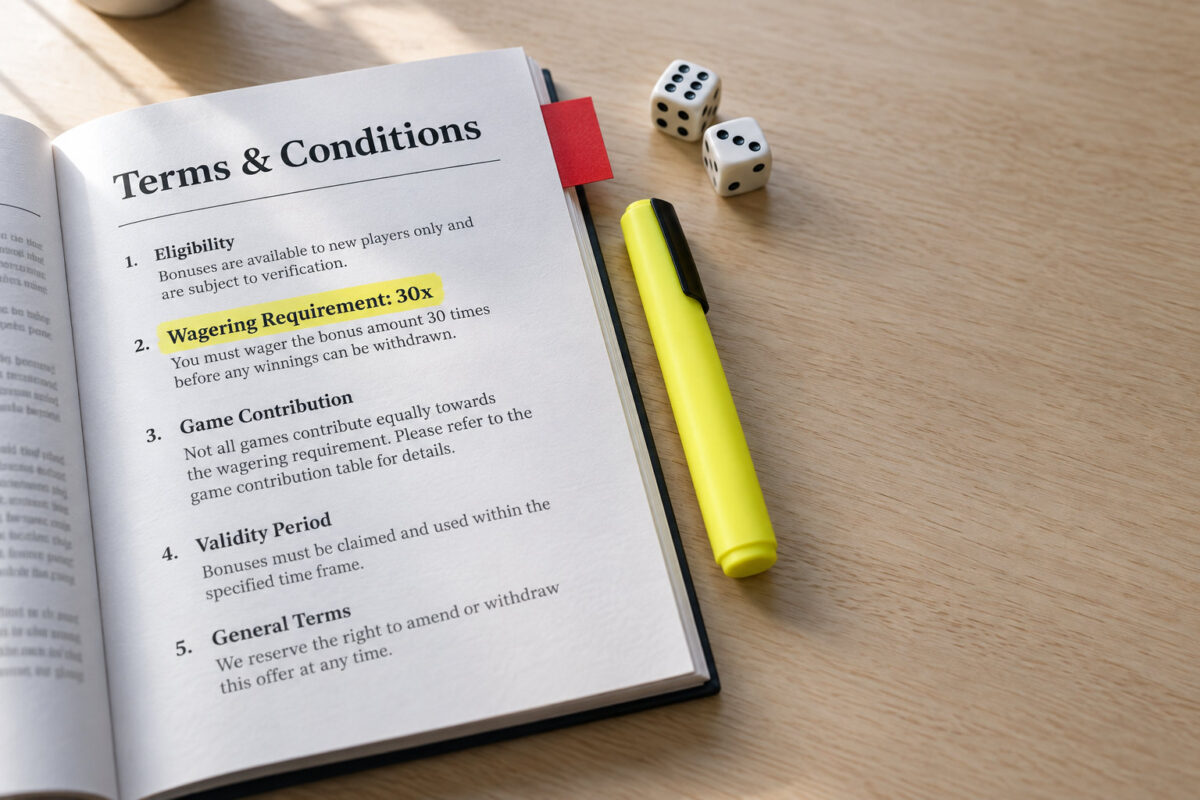
Players should also check the casino’s current terms, including withdrawal procedures, verification requirements, wagering conditions attached to promotions and any limits that apply. These details can change. A bonus may come with additional playthrough rules, so read the conditions before accepting it, particularly if you intend to use the funds on games with different contribution rates.
- Check the game itself: use its in-game help or paytable to confirm the available information.
- Review current terms: look at the casino’s rules for deposits, withdrawals, identity checks and promotions.
- Set a budget first: decide how much entertainment spending you can afford to lose.
- Keep records: track deposits and play time so that a session does not quietly exceed your limits.
For New Zealand players, it is sensible to check the applicable local rules and the casino’s current eligibility terms before registering. Do not assume that a site’s availability automatically answers every question about licensing, consumer protections or tax treatment. If any policy is unclear, seek direct clarification through the casino’s official support channel and consult relevant local guidance.
Choosing games by more than RTP
A larger RTP figure can be one point of comparison, but it should not be the only reason to choose a game. Look at the type of play you enjoy, the minimum and maximum stakes, the pace of rounds and whether bonus features appeal to you. A game with a return figure that looks attractive may still be unsuitable if its volatility or bet range does not fit your budget.
Just Casino’s catalogue and individual game availability may vary over time and by account or location. Rather than assuming every title has the same payout profile, inspect the specific game before playing. If a title does not provide clear rules or accessible information, consider choosing another one. A transparent paytable makes it easier to understand what symbols, combinations and features mean, even though it cannot remove the uncertainty of gambling.
Using a demo mode responsibly
If a demo option is available, it can be useful for learning the controls, understanding a bonus round and seeing how a game is structured without risking real money. Demo results do not establish what will happen in paid play, and a short sample cannot verify the long-run RTP. Treat it as a way to familiarise yourself with the game, not as evidence that a winning pattern has been discovered.
Likewise, past outcomes do not make a particular next result “due.” Each round should be treated on its own terms. Chasing losses, increasing stakes to recover money or playing longer because a win seems close can turn entertainment into a harmful financial risk.
Easy spins on Just Casino
For a straightforward session, choose a game, read its rules, set a stake that fits your budget and decide in advance when you will stop. That simple routine can make the experience easier to manage, but it does not improve the odds or guarantee a return. The phrase easy spins on Just Casino should be understood as ease of navigation or play—not as a promise of easy winnings.
Before starting, consider setting both a spending limit and a time limit. Use only money set aside for leisure, never funds needed for rent, food, bills or savings. If you reach either limit, stop rather than extending the session. It can also help to take breaks and avoid gambling when tired, distressed or under the influence of alcohol or other substances.
What payout rates cannot tell you
RTP does not reveal whether a particular session will be profitable, how soon a feature will appear or how much a player might win. It does not make a game “safe,” and it does not measure the chance of a specific outcome unless the game’s rules separately provide that information. A slot’s advertised return is based on mathematical modelling over a large number of plays, while a real player’s experience is limited and can be very different.
Nor should RTP be confused with a casino-wide payout percentage. Individual games have their own rules and theoretical figures; the actual results across a casino can depend on the mix of games played and the amount wagered. If a site publishes broader figures, check what period and products they cover, and whether the methodology is explained.
Questions and answers
Does a higher RTP mean I am more likely to win?
Not necessarily in a single session; A higher theoretical RTP indicates a larger expected return across extensive play under the game’s mathematical model. It does not guarantee a win, and it does not tell you when a win will happen.
Can I use RTP to choose a winning slot?
No. RTP can help compare game designs, but it cannot identify a guaranteed winner or predict future spins. Consider it alongside volatility, rules, stake limits and your own entertainment budget.
Are Just Casino payout rates the same for every game?
No. Games can have different RTP values, paytables and volatility profiles. Check the information for the specific title you plan to play, since details can vary and may be updated.
What should I do if I cannot find a game’s RTP?
Review the title’s help or paytable and contact official casino support if the information is not clear. If you still cannot confirm the rules or relevant figures, you may prefer not to play that game.
A measured verdict for New Zealand players
Just Casino’s payout rate is best approached as one part of a broader evaluation. RTP can help explain the long-term mathematics of a game, while volatility, terms, payment procedures, local considerations and personal limits shape the practical experience. Verify details directly before playing, since game settings and site policies may change.
Most importantly, treat casino play as paid entertainment rather than a way to earn income. There is no reliable strategy that can overcome the house edge or ensure a profit. Set firm limits, stop when they are reached and seek help if gambling is affecting your finances, relationships or wellbeing. In New Zealand, players can contact Gambling Helpline services for confidential support.
Sorry, the comment form is closed at this time.